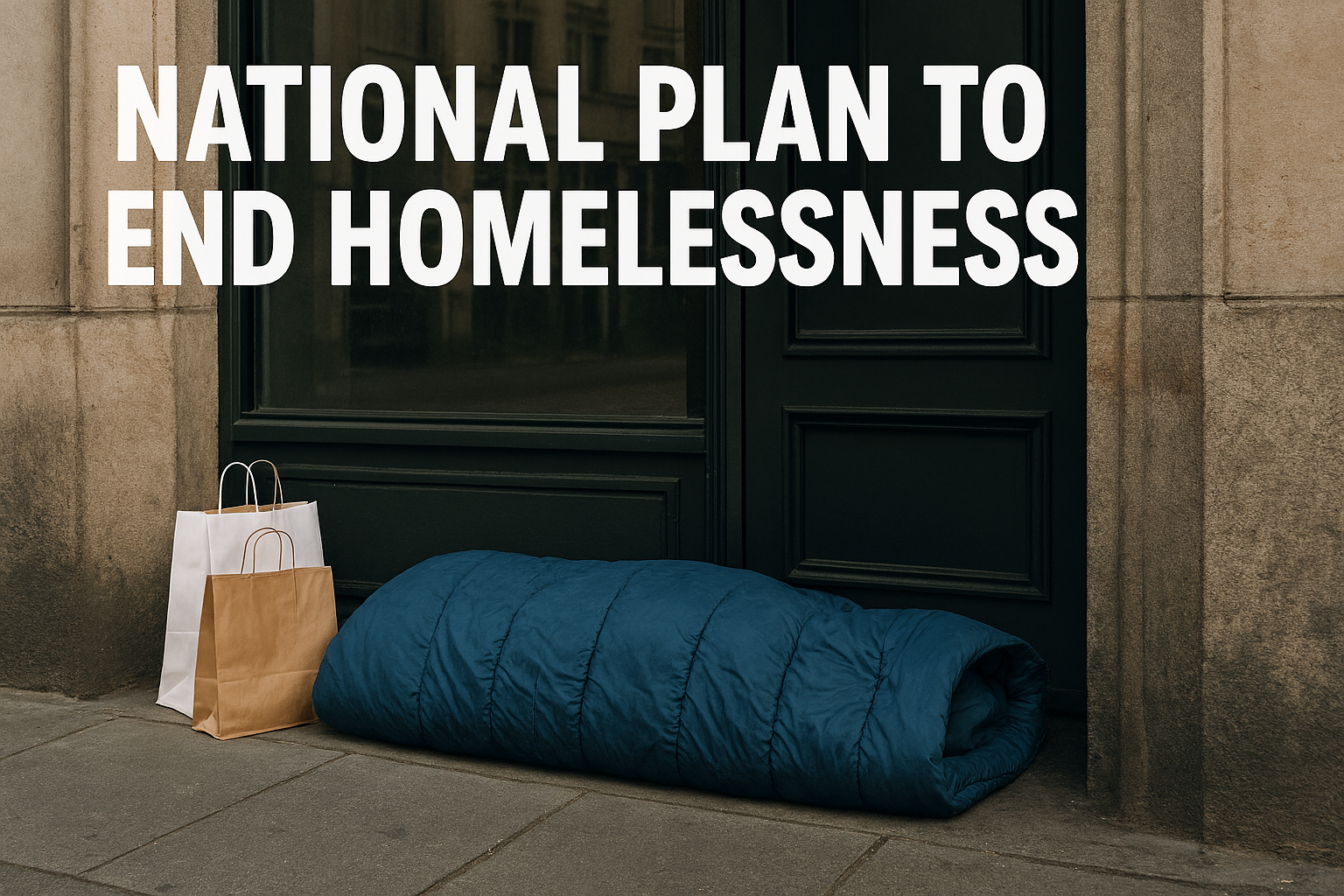
The Government has announced £50 million in new funding to reduce long term rough sleeping and strengthen homelessness prevention across England. The investment is split between a £37 million community fund for voluntary, community and faith organisations, and a £15 million innovation programme targeting the 28 areas facing the highest long term rough sleeping pressures.
Ministers present this package as the next step in delivering the National Plan to End Homelessness, a £3.6 billion cross government strategy built around three Parliament end pledges: halving long term rough sleeping, ending unlawful B&B use for families, and increasing prevention so fewer households become homeless.
💰 Funding Package Overview
- £37 million community fund for voluntary, community and faith organisations over three years
- £15 million innovation programme targeting 28 highest need areas including London
- Application window: Opens 23 February, closes 31 March 2026
- Strategic focus: Prevention, trauma informed support, and partnership working
- Integration with veterans policy reinforcing frontline capacity for ex-service personnel
💡 How the New Funding Works
The £50 million package operates through two distinct programmes designed to address different aspects of homelessness prevention and rough sleeping reduction.
Ending Homelessness in Communities Fund (£37m)
A three year programme (2026–2029) offering competitive grants to small and medium sized organisations with annual incomes under £5 million:
- Early intervention and crisis support: Services preventing homelessness before it occurs
- Trauma informed services: Support addressing underlying causes of homelessness
- Staffing and specialist roles: Funding for caseworkers and specialist support staff
- Building improvements and capacity expansion: Physical infrastructure for service delivery
- Stronger community networks: Partnerships between organisations and local services
Long Term Rough Sleeping Innovation Programme (£15m)
Targeted funding for the 28 areas with highest levels of entrenched rough sleeping:
🎯 Innovation Focus Areas
- Complex case coordination: Intensive support for individuals with multiple needs
- Peer mentoring: People with lived experience supporting others
- Integrated working: Housing, health and criminal justice coordination
- Partnership Plans: New frameworks spreading best practice nationally
📍 Geographic Targeting
- 28 highest need areas including London boroughs
- Data driven selection: Areas with most entrenched rough sleeping
- Urban and regional coverage: Major cities and smaller communities
- Local authority coordination: Working with existing homelessness strategies
Application Process and Timeline
The funding process provides clear pathways for organisations to access support:
- Applications open: 23 February 2026 for all eligible organisations
- Closing deadline: 31 March 2026 for both funding streams
- Eligibility criteria: Small and medium organisations with income under £5m annually
- Competitive assessment: Applications evaluated on impact potential and delivery capability
- Award notification: Successful organisations are expected to be notified later in 2026
🏛️ Strategic Context: The National Plan to End Homelessness
The £50 million announcement builds on the Government's comprehensive £3.6 billion National Plan to End Homelessness, representing the most ambitious homelessness strategy in decades.
Three Parliament End Pledges
The National Plan centres on measurable commitments by the end of this Parliament:
🎯 Core Government Commitments
- Halve long term rough sleeping: Reducing numbers of people sleeping rough for extended periods
- End unlawful B&B use for families: Eliminating inappropriate temporary accommodation
- Increase prevention: Stopping more households from becoming homeless initially
Proposed Duty to Collaborate
A central element of the National Plan involves requiring public bodies to work together more effectively:
- Multi agency coordination: Housing, health, criminal justice, and social services
- Information sharing: Better data exchange between agencies
- Joint planning: Coordinated approaches to individual cases
- Accountability frameworks: Clear responsibilities for preventing homelessness
- Resource coordination: Avoiding duplication and maximising impact
Additional Strategic Components
The wider National Plan includes comprehensive measures across government:
- Prison discharge prevention: Target to halve homelessness among people leaving prison
- Hospital discharge commitment: No eligible person discharged to the streets after treatment
- £159 million targeted funding: Homelessness, Rough Sleeping and Domestic Abuse Grant for 40 highest need areas
- Temporary accommodation reforms: Improved standards and reduced inappropriate B&B use
- Domestic abuse integration: Recognising violence as major driver of women's homelessness
👩 Domestic Abuse and Women's Homelessness
The Government emphasises domestic abuse as a significant factor in women's homelessness, with nearly 70% of women who slept rough in the past year reporting domestic abuse since age 16.
Gender Specific Homelessness Drivers
Women's pathways into homelessness often differ significantly from men's experiences:
- Domestic violence escape: Leaving abusive relationships leading to housing loss
- Economic abuse impact: Financial control preventing independent housing
- Child custody considerations: Family housing needs complicating accommodation options
- Hidden homelessness: Staying with others rather than visible rough sleeping
- Safety concerns: Avoiding traditional homeless services due to male dominated environments
Trauma Informed Approach
The funding specifically emphasises trauma informed services recognising complex needs:
Trauma Informed Service Principles
- Safety first: Physical and emotional safety in all interactions
- Trust building: Consistent, reliable relationships with support staff
- Choice and control: Service users directing their own support journey
- Cultural responsiveness: Recognising diverse backgrounds and experiences
- Peer support integration: People with lived experience providing guidance
🎖️ Integration with Veterans Homelessness Prevention
The £50 million announcement reinforces the Government's 2025 commitment to prevent ex-service men and women from ending up on the streets, strengthening frontline capacity that veterans rely on for successful transition to civilian life.
Veterans Homelessness Context
Ex-service personnel are often over represented among people experiencing long term rough sleeping due to specific transition challenges:
- Abrupt transition: Moving from highly structured military environment to civilian independence
- Trauma related conditions: PTSD, combat stress, and adjustment disorders
- Relationship breakdown: Marriage and family pressures during transition period
- Housing system navigation: Difficulty understanding civilian housing markets and support
- Employment challenges: Translating military skills to civilian job opportunities
2025 Veterans Homelessness Commitment
The Government's earlier veterans specific pledge includes comprehensive prevention measures:
🛡️ Veterans Support Framework
- Early identification: Veterans at risk of homelessness identified before discharge
- Specialist caseworkers: Armed Forces homelessness specialists in high need areas
- Guaranteed pathways: Supported housing routes for veterans with complex needs
- Data sharing improvements: MoD, local authorities and housing providers coordination
- Ring fenced funding: Prevention money ensuring no service discharge into rough sleeping
How New Funding Supports Veterans
While the £50 million is not veterans specific, it strengthens the infrastructure veterans depend on:
- Community organisation capacity: Groups supporting veterans often rely on general homelessness funding
- Trauma informed services: Approaches particularly relevant for combat veterans
- Multi agency coordination: Integration between military, health, and housing services
- Prevention focus: Early intervention before homelessness becomes entrenched
- Peer support models: Veterans supporting other veterans through transition
Conclusion: Building Comprehensive Prevention Infrastructure
The £50 million funding package represents significant investment in community led homelessness prevention, emphasising trauma informed support, multi agency coordination, and evidence based intervention. The combination of broad community funding and targeted innovation programmes creates opportunities for both immediate impact and long term system change.
The announcement's integration with the National Plan to End Homelessness demonstrates sustained political commitment to addressing homelessness systemically rather than through crisis response alone. The focus on prevention, partnership working, and community capacity reflects lessons learned about what works in reducing rough sleeping.
For veterans, the strengthened community infrastructure provides essential support for successful civilian transition while reinforcing the Government's commitment that no ex-service personnel should face street homelessness. The trauma informed approach and multi agency coordination particularly benefit veterans dealing with service related mental health challenges.
However, success depends on effective implementation, sustainable funding beyond the initial three years, and genuine partnership working between statutory and voluntary sectors. The innovation programme must generate actionable insights that can be scaled nationally, while community organisations need support to manage increased capacity effectively.
Most importantly, addressing homelessness requires coordination across housing, health, employment, and criminal justice policies. The funding provides resources for frontline intervention, but long term success depends on addressing underlying causes including housing supply, economic security, and health service integration.
The £50 million represents meaningful investment in homelessness prevention, but its ultimate test will be whether it contributes to the Government's Parliament end pledges to halve rough sleeping, end inappropriate family accommodation, and create effective prevention systems. Success requires sustained commitment, effective coordination, and recognition that ending homelessness demands comprehensive action across multiple policy areas.
🎯 Key Takeaways
- £37 million community fund and £15 million innovation programme strengthen prevention infrastructure nationwide
- Funding reinforces veterans homelessness prevention commitment through enhanced community capacity
- Strategic focus on trauma informed support addresses domestic abuse as major driver of women's homelessness
- Innovation programme in 28 highest need areas tests scalable solutions for complex cases
- Success depends on implementation quality, partnership working, and integration with broader National Plan strategy
📚 Sources & Further Reading
- Gov.UK - Over £50 million pumped into the fight to tackle homelessness Archived copy (OGL): archived page
- Gov.UK - Ending Homelessness in Communities Fund prospectus Archived copy (OGL): archived page
- The Big Issue - Veteran homelessness Op Fortitude funding Archived internally for verification (01 March 2026)
- Gov.UK - A national plan to end homelessness Archived copy (OGL): archived page
- Homeless Link - Sector response and analysis Archived internally for verification (01 March 2026)
- Housing Justice - Faith based homelessness response Archived internally for verification (01 March 2026)